
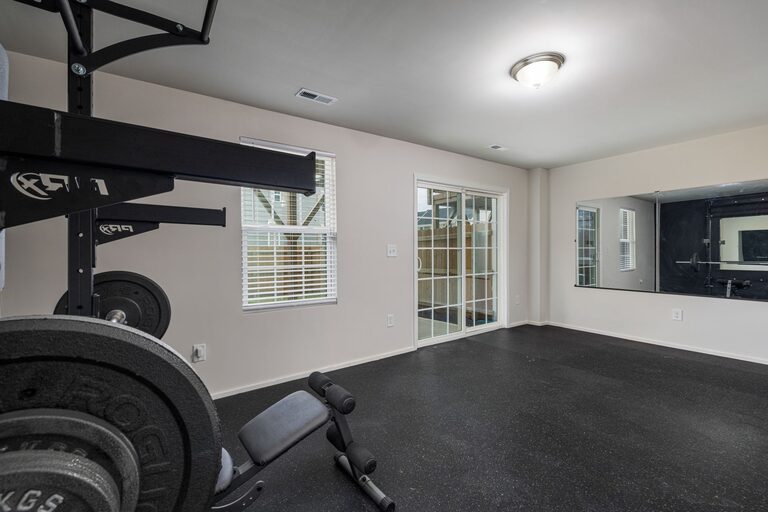
Creating a dedicated workout corner at home can help you stay motivated and consistent with your fitness routine. You don’t need a big space or expensive equipment to build a functional exercise area. With some planning and a few basics, your home workout corner can become your favorite spot to stay active. This guide will walk you through the steps to set up a simple workout corner that suits your needs and space.
Why Create a Workout Corner at Home?
Having a designated workout space at home encourages regular exercise by making it easy and convenient. It eliminates excuses like bad weather or gym closures and saves time on travel. Plus, it’s a private spot where you can focus on your fitness goals without distractions.
Choosing the Right Space
Assess Your Available Area
Start by finding a spot in your home that fits your workout needs. It could be a corner of your living room, a spare bedroom nook, a section of your garage, or even a balcony.
– Look for an area with enough room to move freely
– Ensure the floor is stable and comfortable for exercises
– Consider ventilation and natural light for a pleasant environment
Make Use of Vertical Space
If floor space is limited, think vertically. Wall-mounted shelves or hooks can store equipment and keep the floor clutter-free.
Equipment Essentials for a Simple Workout Corner
You don’t need a lot of gear to get started. Focus on versatile, space-friendly items that suit your fitness routine.
Must-Have Equipment
– Exercise Mat: Provides cushioning for floor workouts like yoga, pilates, or bodyweight exercises.
– Resistance Bands: Lightweight and portable, great for strength training.
– Dumbbells or Kettlebells: Choose adjustable weights if you want to save space.
– Jump Rope: Excellent for cardio and easy to store.
– Stability Ball or Foam Roller: Optional but useful for stretching and core workouts.
Storage Solutions
Keep your equipment organized to maintain a tidy space:
– Use baskets or bins for small items like bands and jump ropes
– Install hooks or racks on the wall for hanging bands or jump ropes
– Shelves can hold heavier equipment like weights or balls
Designing Your Workout Corner
Flooring Options
Comfort and safety are key when choosing flooring:
– Use rubber mats or interlocking foam tiles to protect floors and reduce impact
– Carpet or rugs can work but might not provide enough support for some exercises
Mirrors
Adding a mirror helps you monitor your form during workouts, which can prevent injury and improve effectiveness. If a full wall mirror isn’t practical, a medium-sized mirror works well.
Lighting and Ambiance
Good lighting makes the space inviting and energizing:
– Natural light is ideal; place your workout corner near a window if possible
– Use bright but soft artificial lighting for evening workouts
– Consider a small speaker or Bluetooth device for music to boost motivation
Setting Up a Workout Routine
Plan Your Exercises
Design a workout plan that fits your goals and the equipment you have. Include a mix of cardio, strength, and flexibility routines.
– Bodyweight exercises (squats, lunges, push-ups) require no equipment
– Resistance bands can add challenge to strength moves
– Jump rope or jogging in place for cardio bursts
Schedule Your Workouts
Consistency is easier when you have a set time:
– Block out 20–30 minutes daily or every other day for your workout
– Use reminders or calendar alerts to stay on track
Keeping Your Workout Corner Functional
Regular Maintenance
– Wipe down equipment after use to keep it clean
– Declutter periodically to avoid overcrowding
Stay Motivated
– Change up your workouts to keep things interesting
– Track your progress with a journal or fitness app
– Invite a family member or friend to join your sessions occasionally
Final Tips
– Start small and gradually add equipment or space if needed
– Personalize your corner with motivating quotes or posters
– Safety first: ensure the space is clear of obstacles and your equipment is in good condition
Building a simple workout corner at home doesn’t have to be complicated or expensive. By carefully choosing your spot, equipping it with essentials, and planning your routine, you’ll create a comfortable place to stay active and healthy—right where you are.